
Everything you need to know to get started
Fencing is a fast, exciting Olympic sport that combines athleticism, strategy and discipline. Practiced with proper supervision and equipment, it is one of the safest combat sports in the world. Whether you're a parent, student or educator, this guide will help you understand how fencing works and how to begin your fencing journey in KwaZulu‑Natal.
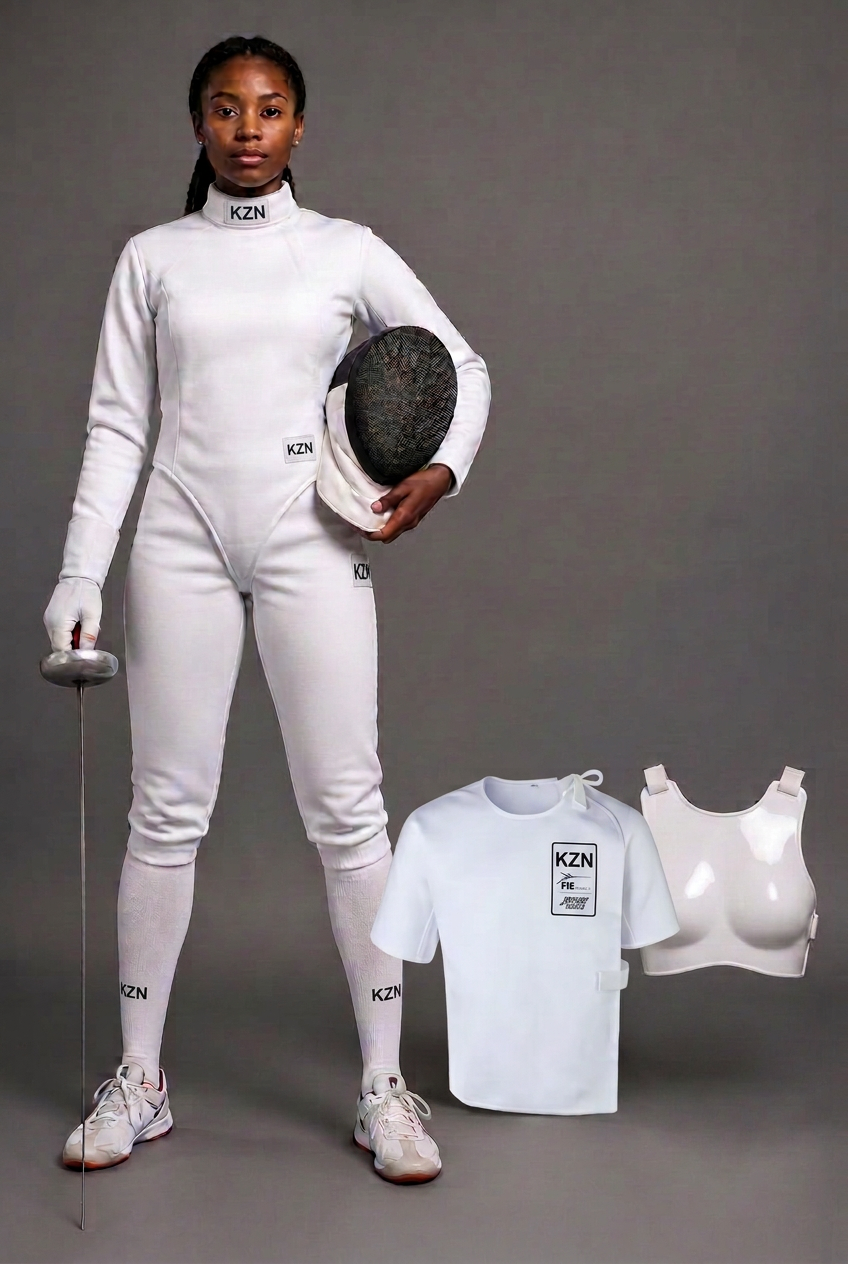
Safety in fencing
Safety is a top priority. All training and competition in KZN takes place under strict safety standards set by the Fencing Federation of South Africa (FFSA) and international fencing rules.
Mesh face protection — shields the face and head.
Padded protective clothing for the upper body.
Reinforced glove protecting the weapon hand.
Knee‑length protective trousers.
Specialised fencing socks and shoes for grip and support.
Connects the weapon to the scoring system.
Each with its own rhythm
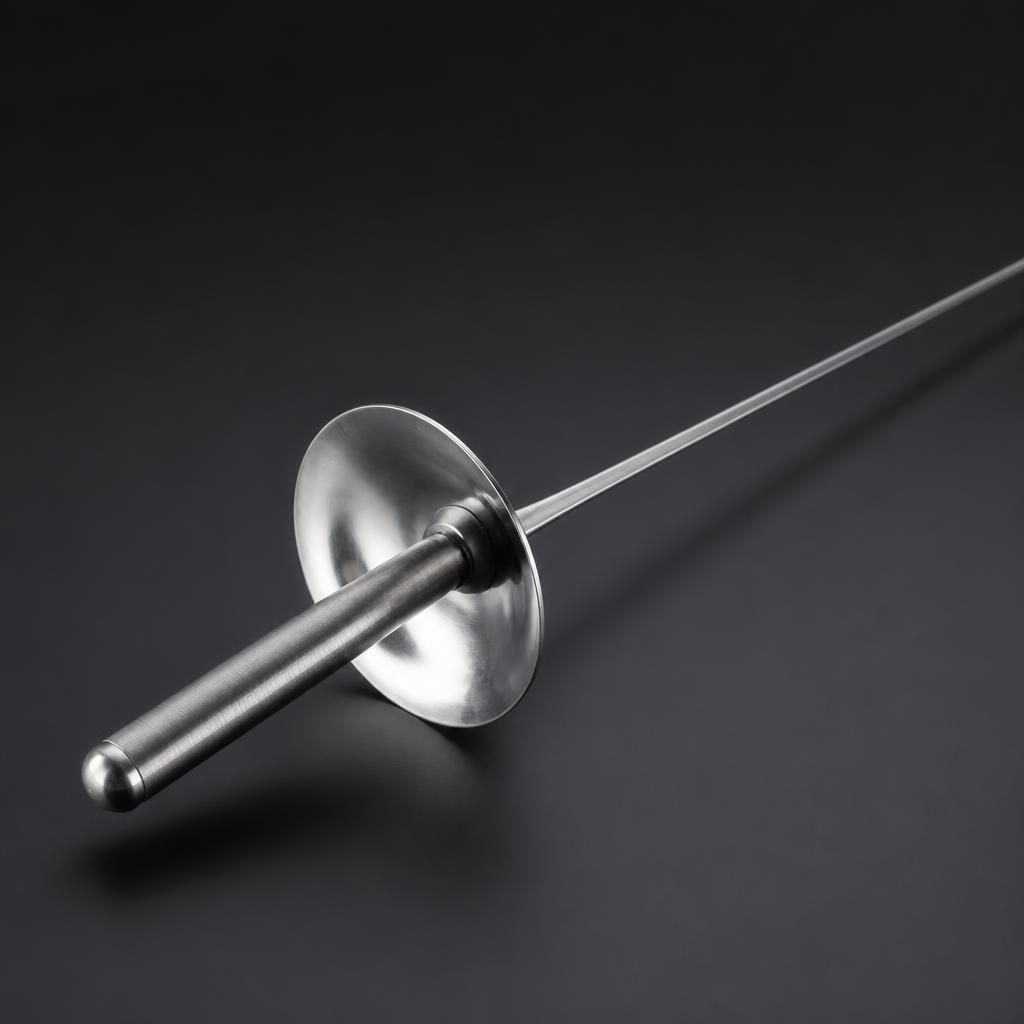
A light thrusting weapon with a flexible blade. Focus on technique and right‑of‑way rules. Often taught to beginners.
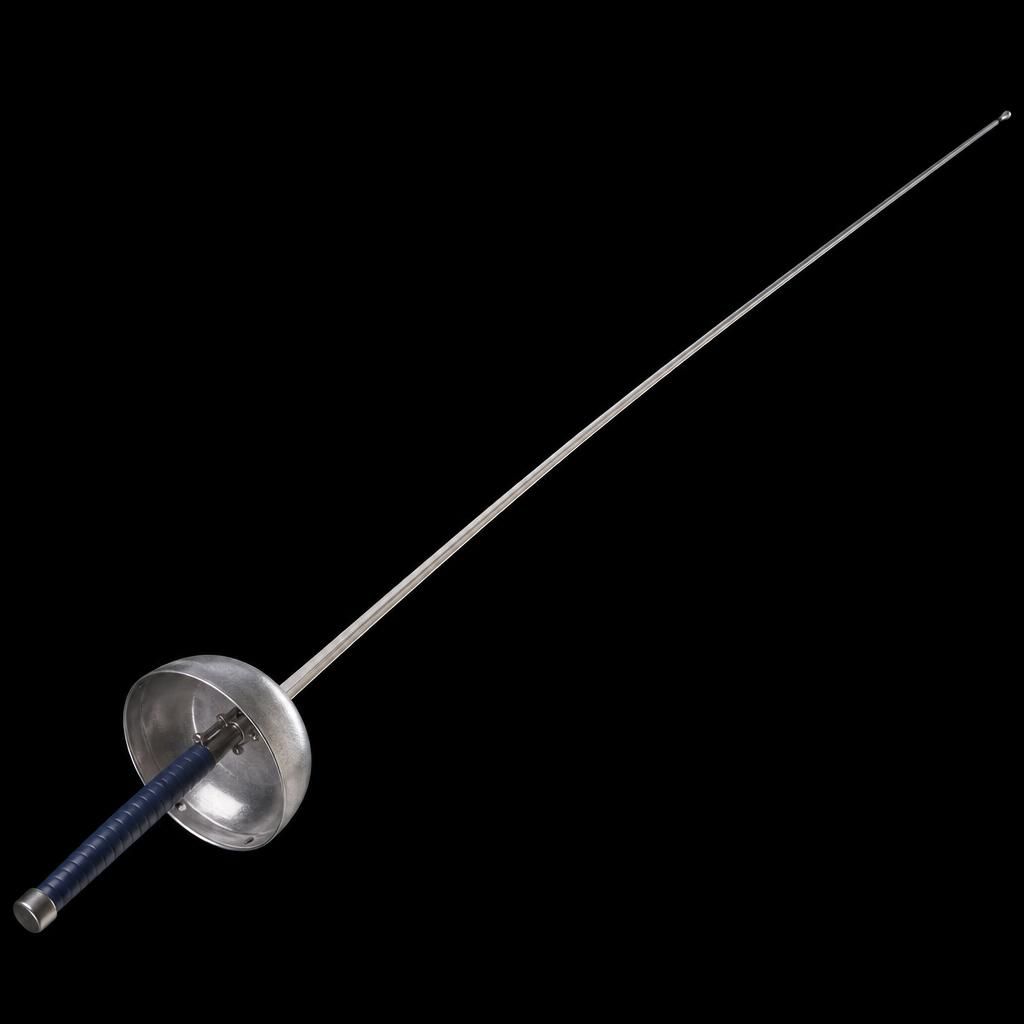
A heavier thrusting weapon with a stiffer blade. Emphasises strategy and precision; often suited to analytical thinkers.
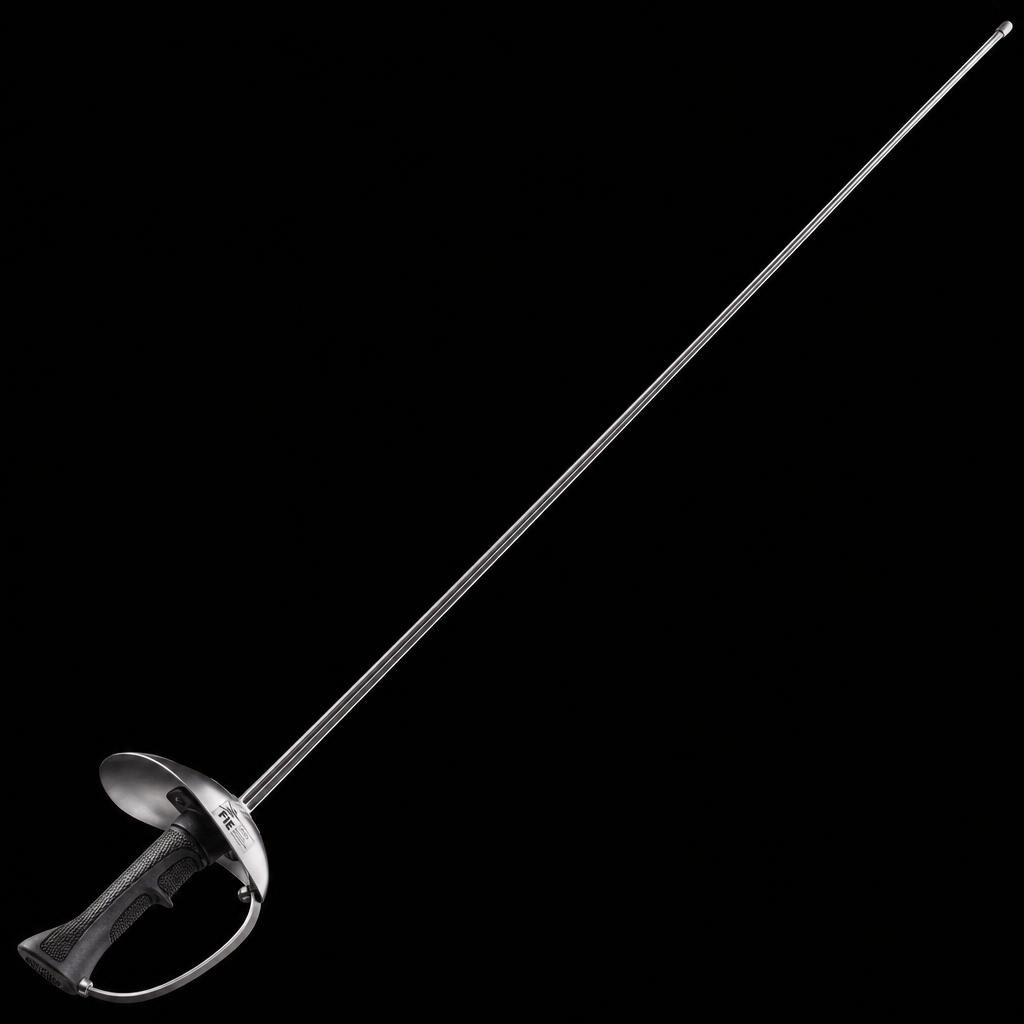
A cutting and thrusting weapon. Fast‑paced and dynamic, emphasising speed and timing.
From beginner to national level
Join an affiliated fencing club. Learn basic footwork, bladework and rules; participate in internal club bouts.
Compete in provincial tournaments, earn rankings, attend training camps and represent KZN at national events.
Compete at South African Championships, earn national rankings and gain selection for international events and squads.
Participate in international competitions and access overseas training and university scholarship pathways.
From around 8 years old through adulthood.
Boys and girls compete equally.
Suitable for a wide range of body types.
Many athletes continue competing well into adulthood.
- 1Contact a club
Reach out to one of our affiliated clubs. They will arrange an intro session, provide beginner equipment and explain fees and training times.
- 2Try a session
Most clubs offer a trial lesson so new fencers can experience the sport before committing.
- 3Register & progress
Once registered, fencers can train regularly, enter competitions and become provincially and nationally registered through FFSA.
Scoring & priority
- ⚡ Foil & sabre: right of way determines who scores when both hit.
- 🎯 Épée: first to hit scores; simultaneous hits award both.
- 🏅 Matches are usually to 5 or 15 touches, with time limits.
Glossary
- Advance
- A forward step while maintaining the en garde position.
- Retreat
- A backward step, staying balanced.
- Lunge
- An explosive forward movement to attack.
- Right of way
- Priority rule in foil and sabre determining who scores.
- Parry
- A defensive action to deflect the opponent's blade.
- Riposte
- An immediate attack after a successful parry.
Need help choosing a club?
Fencing KZN is happy to assist parents, schools and new athletes.